Perforated Metals About
| Surface |
Corrosion resistance |
| Surface treatment |
Powder Coated |
| Technique |
Perforated |
| Thickness |
0.3 - 12 mm |
| Usage/Application |
Industrial |
| Features |
High Quality |
Features:
- Attractive designs
- High tensile strength
- Flawless finish
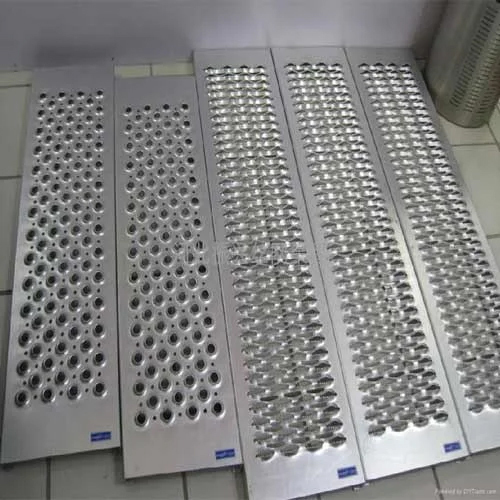
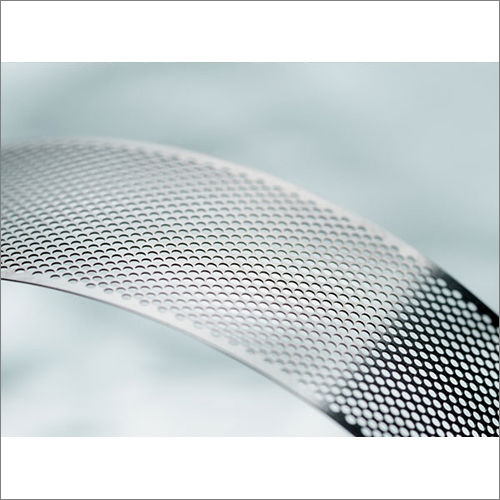
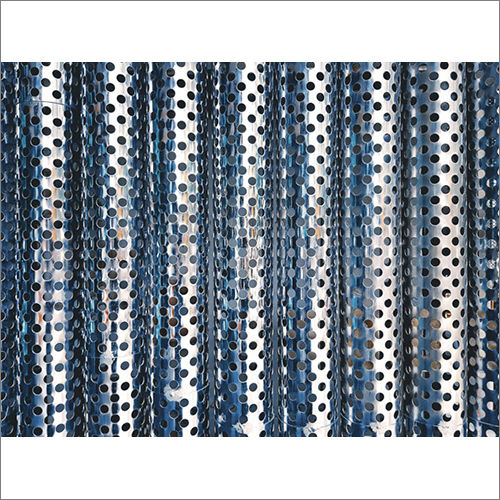
- Holes arranged in different patterns
- Made from single metal sheet
- Lightweight
Premium Quality & DurabilityEngineered using leading techniques such as cold rolling and precision perforation, our panels are offered in top-grade mild steel and stainless steel alloys (SS304, SS316). Finished with a durable powder coating, they guarantee superior corrosion resistance and longevity-even in demanding industrial environments.
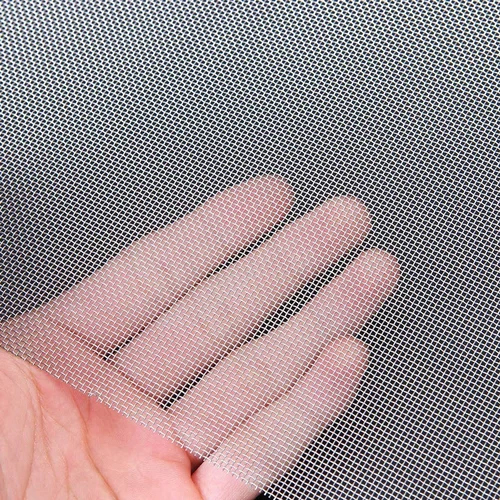
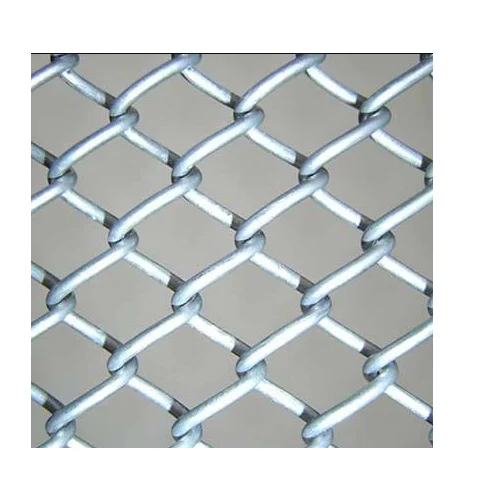
Versatile Designs for Multiple ApplicationsOffered in customizable panel sizes, thickness options, and variable open areas, these perforated metals adapt seamlessly to diverse industrial uses. The consistent round-hole mesh pattern ensures effective airflow, filtration, and structural integrity in various applications.
FAQ's of Perforated Metals:
Q: How are the perforated metal panels manufactured?
A: Our panels are produced using advanced perforation techniques and a cold-rolling process, ensuring precise round holes and consistent quality. Materials like mild steel and stainless steel are chosen for their durability and formed into panels up to 1.5 meters wide and 3 meters long.
Q: What benefits does the corrosion-resistant feature provide?
A: The corrosion-resistant property, enhanced by powder coating and material selection, extends the lifespan of the panels. This makes them ideal for environments where exposure to moisture, chemicals, or harsh conditions is common, ensuring minimal maintenance and reliable performance.
Q: When should I choose stainless steel over mild steel?
A: Stainless steel (SS304, SS316) is preferable for applications requiring higher corrosion resistance and strength, particularly in chemically aggressive or wet environments. Mild steel is suitable for less demanding settings and offers a cost-effective alternative for various industrial purposes.
Q: Where can these perforated metal sheets be used?
A: These sheets are widely used in industrial settings for filtration, screening, ventilation panels, enclosures, architectural accents, and machine guarding. Their customizable design allows integration into a range of systems within factories, processing plants, and commercial facilities.
Q: What is the usage process for these panels after purchase?
A: Once delivered, the panels can be easily cut, shaped, or installed according to your specific application. Their flat sheet form and consistent thickness allow convenient handling during installation for projects like fencing, partitions, or protective grilles.
Q: How does the variable open area affect performance?
A: A variable open area allows fine-tuning of airflow, light passage, or filtration properties. This customization ensures the panels meet specific requirements, whether for maximized ventilation, controlled visibility, or particulate separation in industrial processes.
Q: What standards or grades are the perforated sheets available in?
A: Our perforated metals conform to internationally recognized ASTM and DIN standards. Stainless steel options include grades SS304 and SS316, providing assured quality and performance for a broad spectrum of industrial applications.


 Send Inquiry


 Send Inquiry
 Send Inquiry
 Send SMS
 Call Me Free


 English
 Spanish
 French
 German
 Italian
 Chinese (Simplified)
 Japanese
 Korean
 Arabic
 Portuguese